Approx. 20,000 m² production and warehouse area in Taixing, Taizhou, Jiangsu; 48+ units of equipment; 200+ employees; annual capacity approx. 7,500 t.
| Stage | Capability |
|---|---|
| Melting | 8 medium-frequency melting furnaces; spectrochemical analysis heat by heat |
| Forging | Improves structural soundness |
| Rolling | 6 precision rolling mills; thickness control |
| Drawing | 28 drawing machines; diameter consistency |
| Heat treatment | 6 annealing and heat treatment furnaces |
| Finished products | Inspection, batch documents and heat-number marking |
The reason the plant covers all six stages instead of buying semi-finished material is simple: every hand-off between suppliers is a place where properties drift. A coil that leaves one factory and is drawn at another has been re-annealed under different conditions, handled differently, and measured against a different gauge. Keeping the chain continuous means the resistivity you quote against is the resistivity the customer measures.
Eight medium-frequency induction furnaces. Every heat is sampled and checked by spectrochemical analysis before it is allowed to move on — not after the coil is finished. If a heat is off-specification on chromium or aluminium, it is caught at the furnace rather than in a finished strip that has already been rolled and slit. This is the single most important control point in the whole chain.
Ingots are forged before rolling. Forging closes internal porosity and breaks up coarse cast structure, which is what allows the subsequent rolling passes to reduce thickness without edge cracking. Skipping or shortening this step is a common shortcut, and it shows up later as edge splits or inconsistent cross-section.
Six precision rolling mills handle strip. Thickness is controlled pass by pass down to the finished gauge, with the target range 0.05–3.5 mm and widths from 2 mm to 300 mm. Slitting to narrow widths is done in-house so the burr height and edge condition are controlled rather than inherited from a third party.
Twenty-eight drawing machines cover wire from φ0.03 mm to φ10 mm. Diameter consistency is the whole point here: for heating elements, a diameter variation of a few percent changes the surface load and therefore the service life. Wire is drawn to a measured diameter, not to a nominal one.
Six annealing and heat-treatment furnaces. Annealing sets the temper — soft or half-hard — and it also determines whether FeCrAl strip can be bent without cracking. This is where the "soft temper" on a delivery note is actually produced, and where a wrongly annealed coil becomes scrap.
Finished products are inspected, marked with a heat number, and shipped with batch documents. Material is traceable by heat number back through every stage, so if a customer reports an issue six months later, the record of which melt, which rolling pass and which anneal that coil came from still exists.
| Item | Figure |
|---|---|
| Production site | Approx. 20,000 m², Taixing, Taizhou, Jiangsu |
| Equipment | 48+ units across melting, forging, rolling, drawing, heat treatment and inspection |
| Workforce | 200+ |
| Annual output | Approx. 7,500 tonnes of heating and precision-resistance alloys |
| Established | 2010 |
| Operating model | Shanghai office for customer contact, selection and logistics; Taixing plant for manufacturing |
Three practical consequences, and they are the reason buyers ask about plant integration at all.
First, specification changes are possible without a new tooling cycle. If a furnace rebuild needs a slightly different strip width or a non-standard coil length, slitting and drawing are in the same building as the melting. The lead time is a production slot, not a supplier negotiation.
Second, a failed batch can be traced to a cause rather than replaced blind. Heat number, rolling pass and anneal cycle are recorded. If elements fail early in service, the question of whether it was the material or the furnace can actually be answered.
Third, small trial quantities are practical. Because the chain is continuous, a trial order of a few tens of kilograms does not require a minimum heat — it can be taken from a heat that is being run anyway. This is why we suggest trial fitting before a bulk order when the duty is unusual or when an imported grade is being substituted.
The plant is in Taixing, Taizhou, Jiangsu, roughly two hours from Shanghai. Customer audits and third-party inspection are arranged by appointment; inspection can be witnessed at the works or carried out by an agreed third party. Documents supplied with each batch, and the traceability chain, are described on the quality control page.
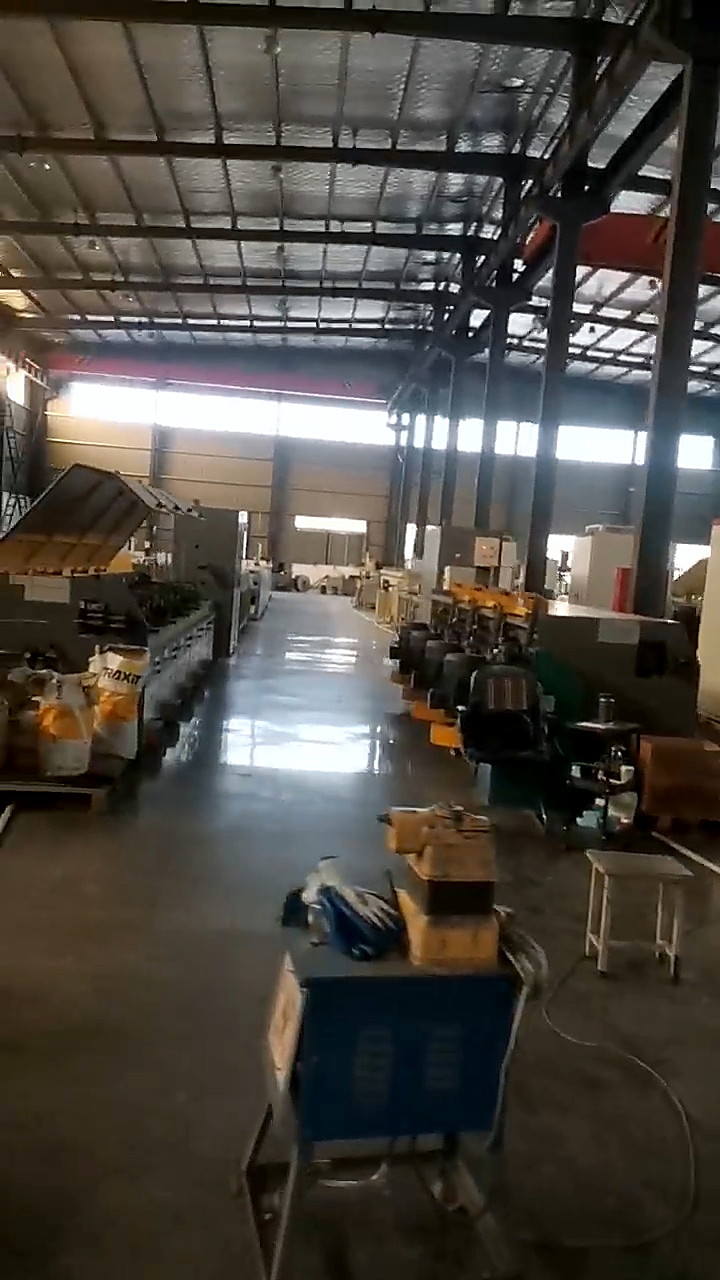
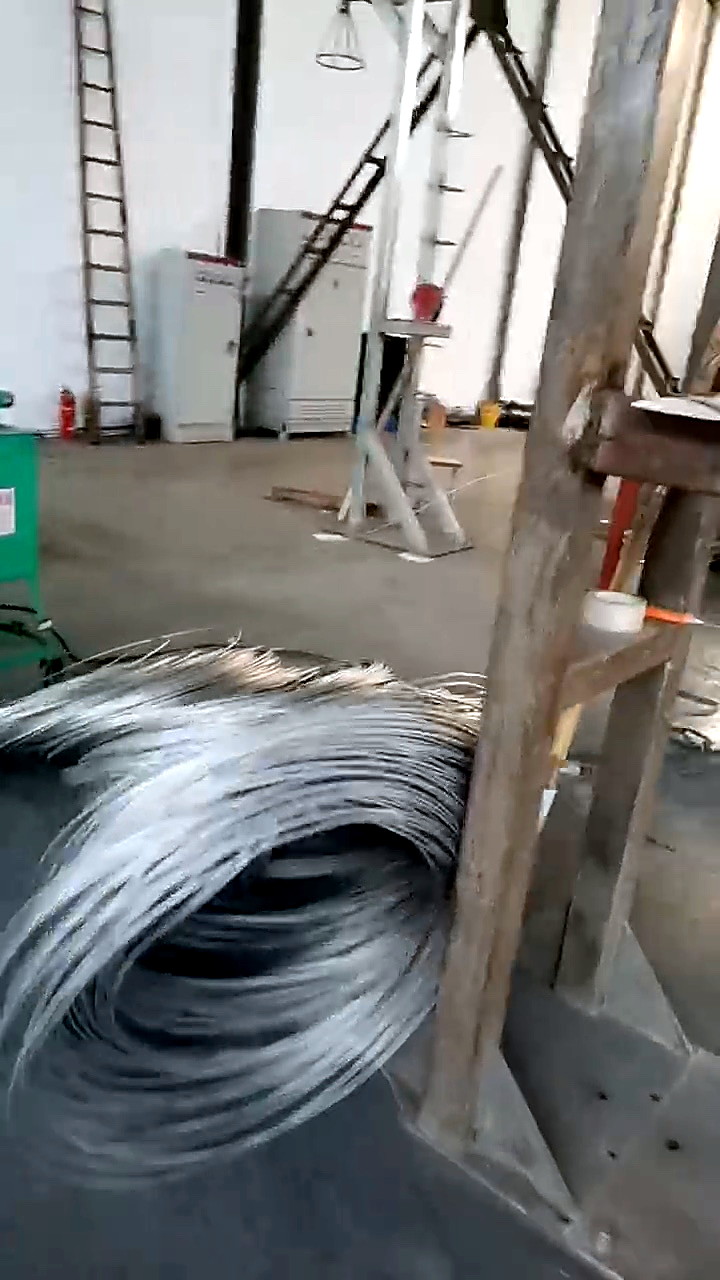
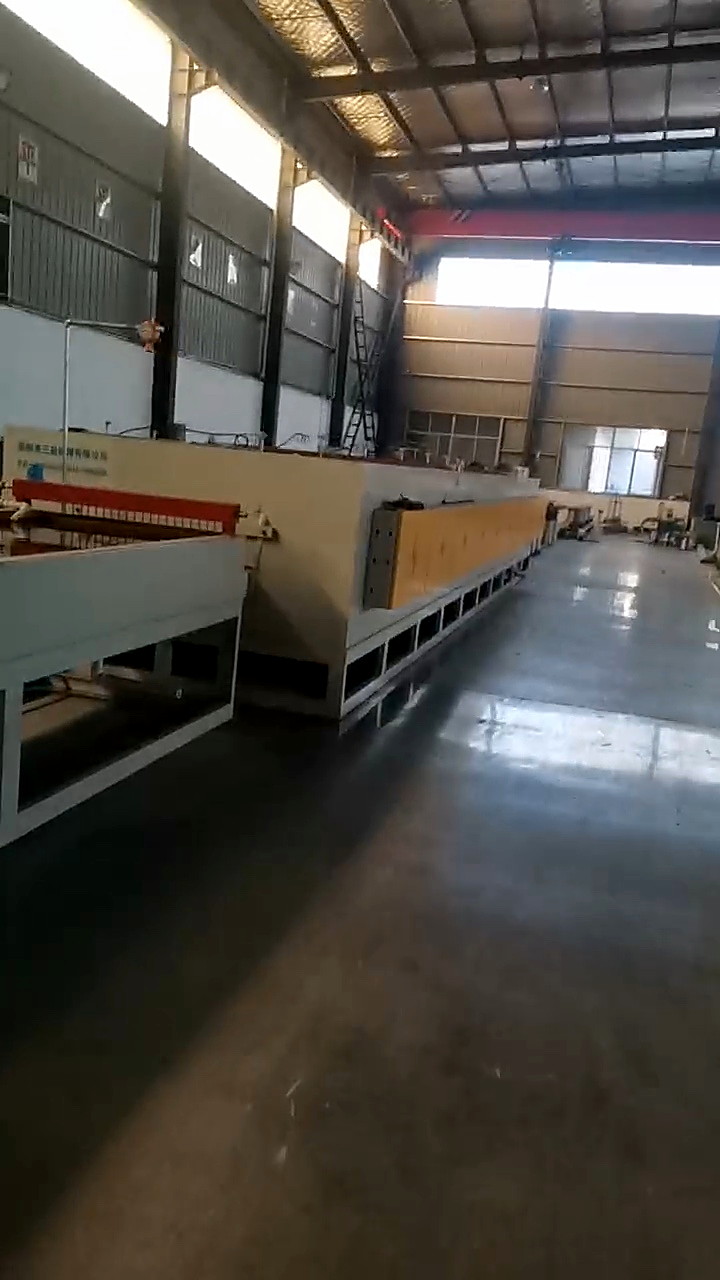
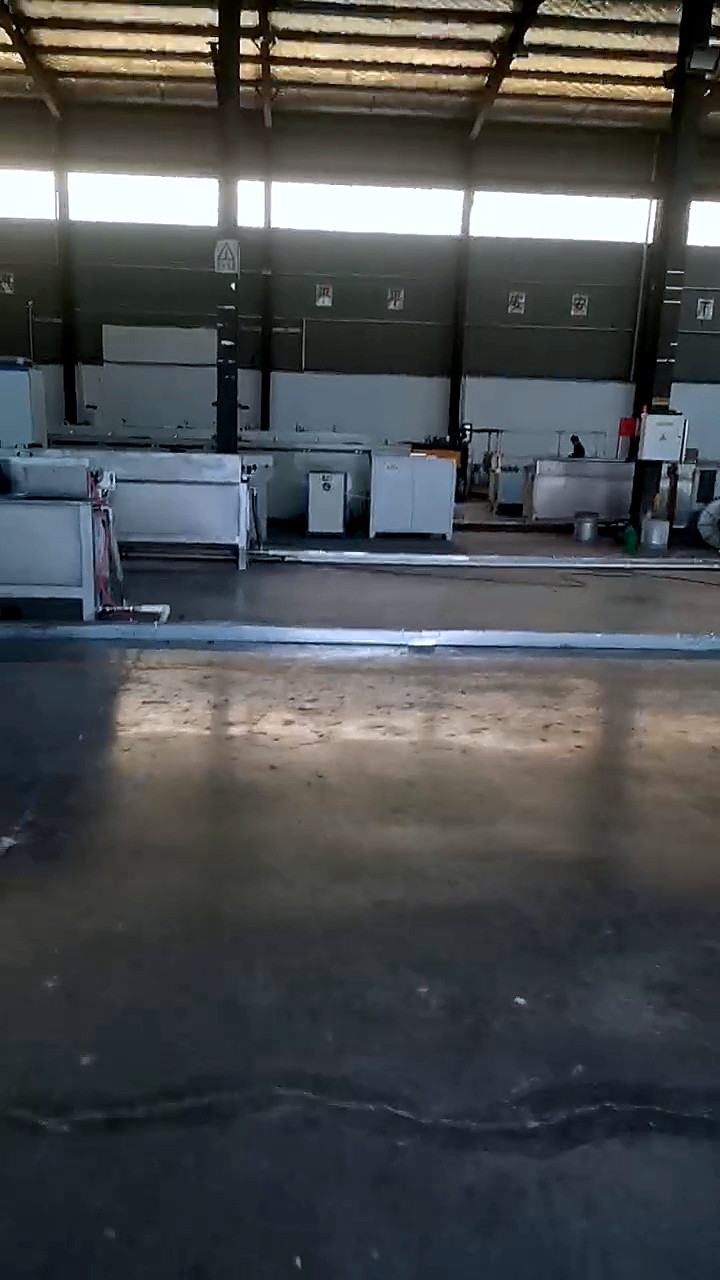
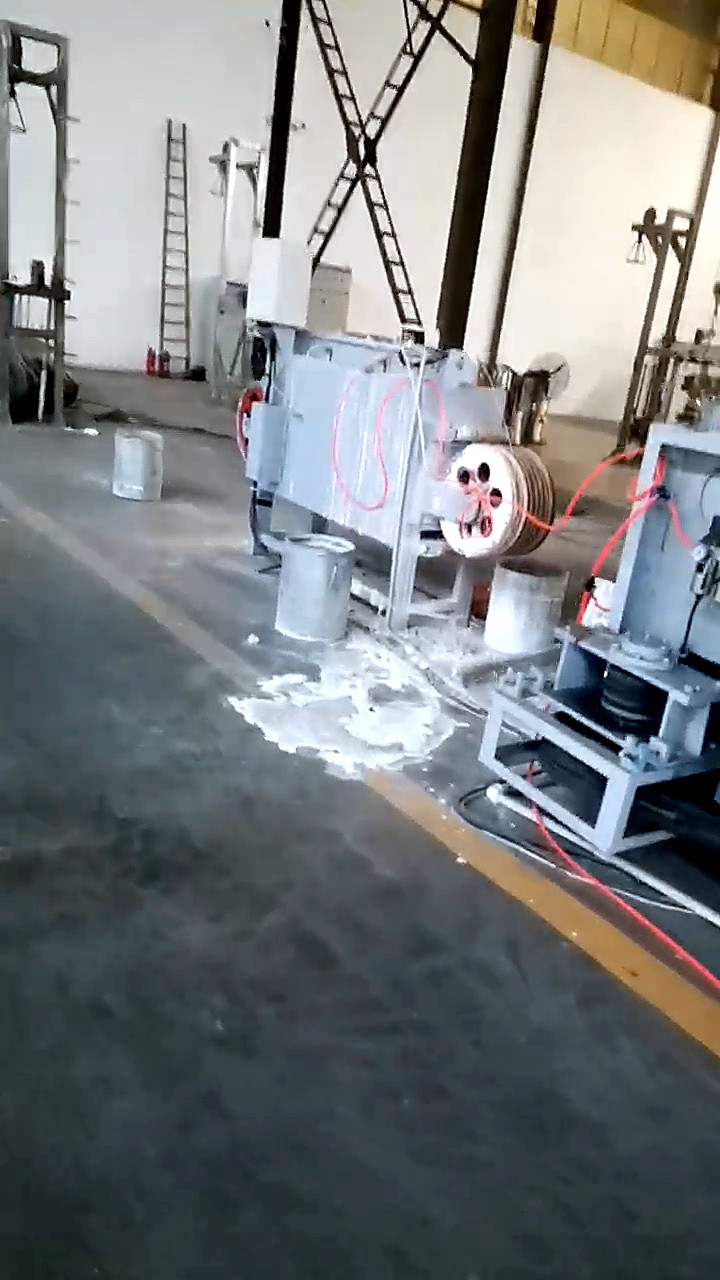
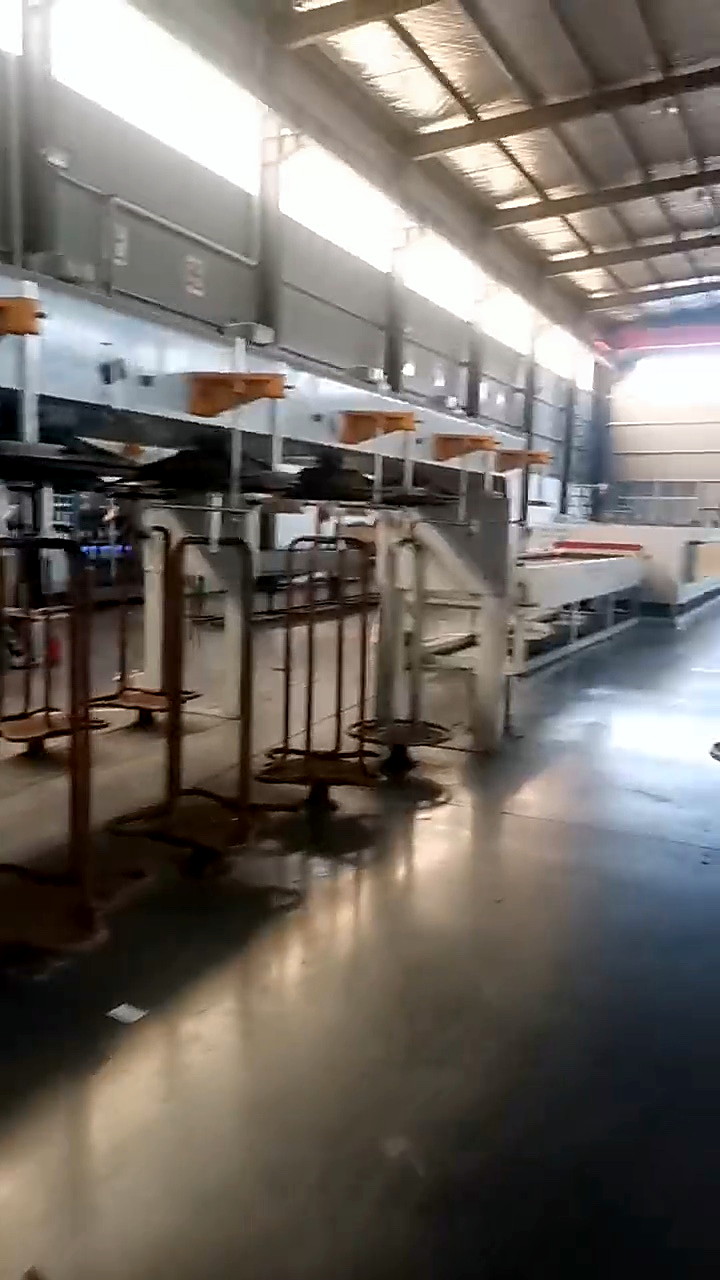
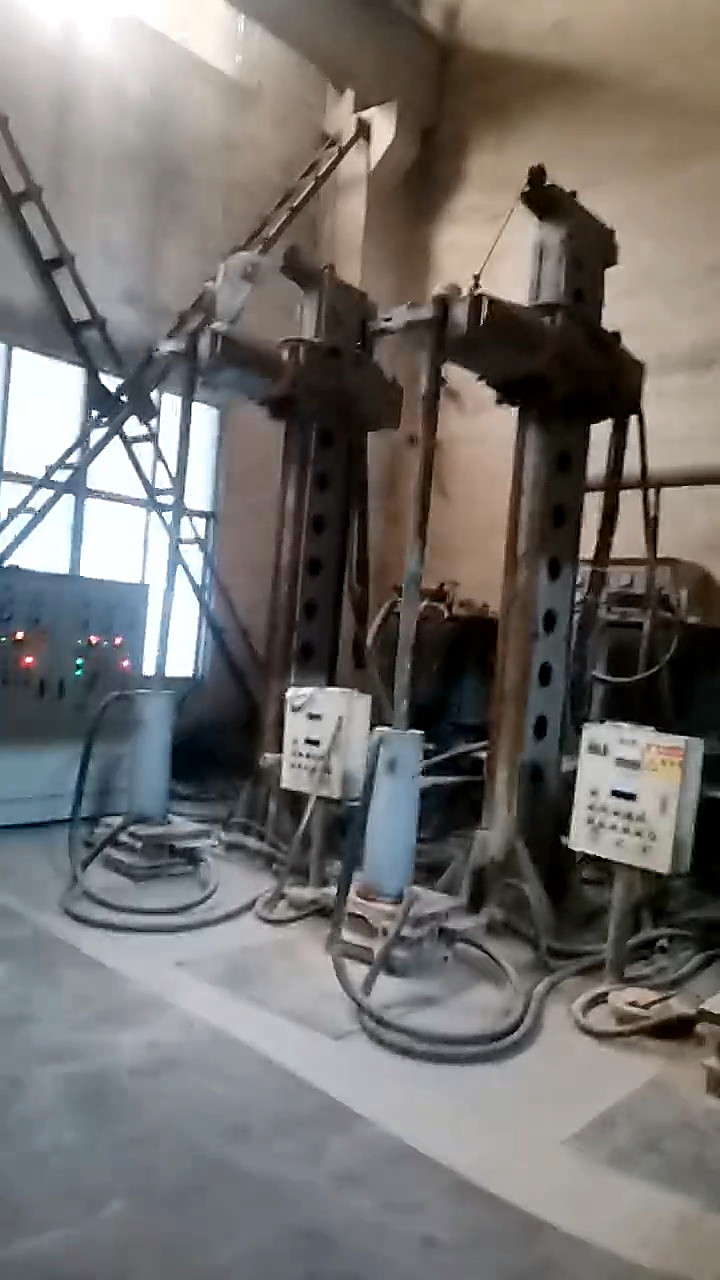
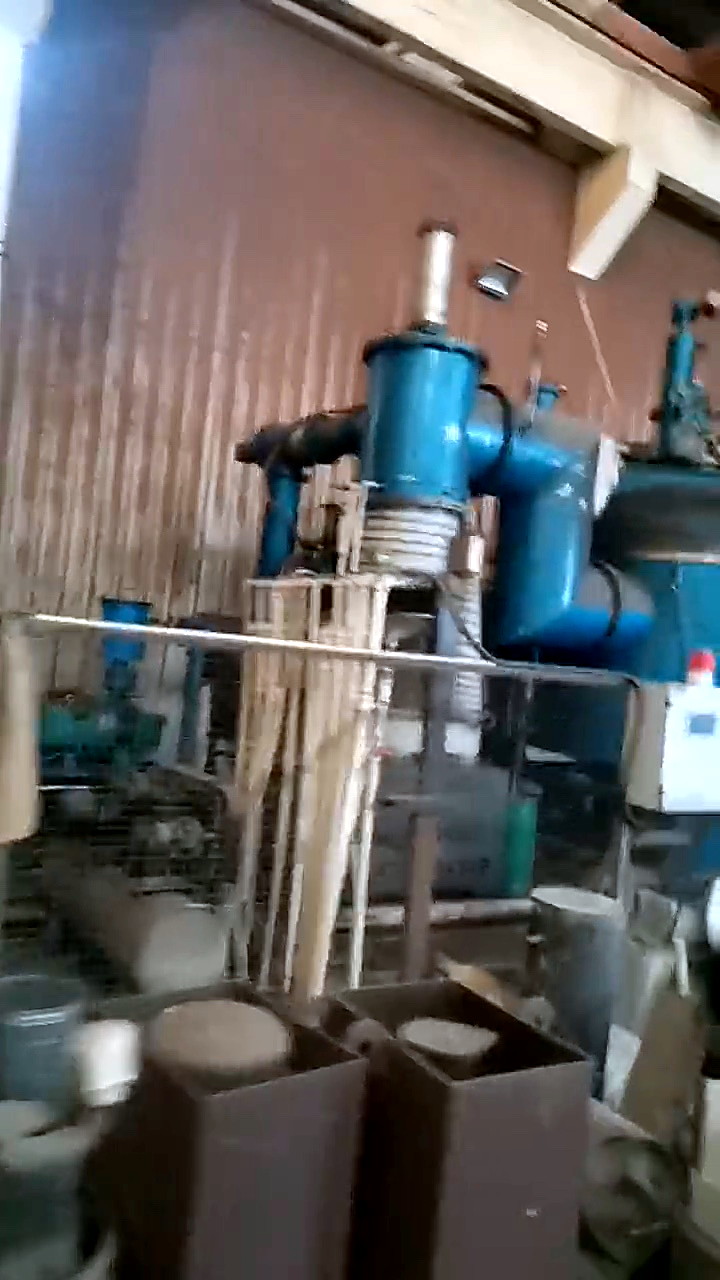
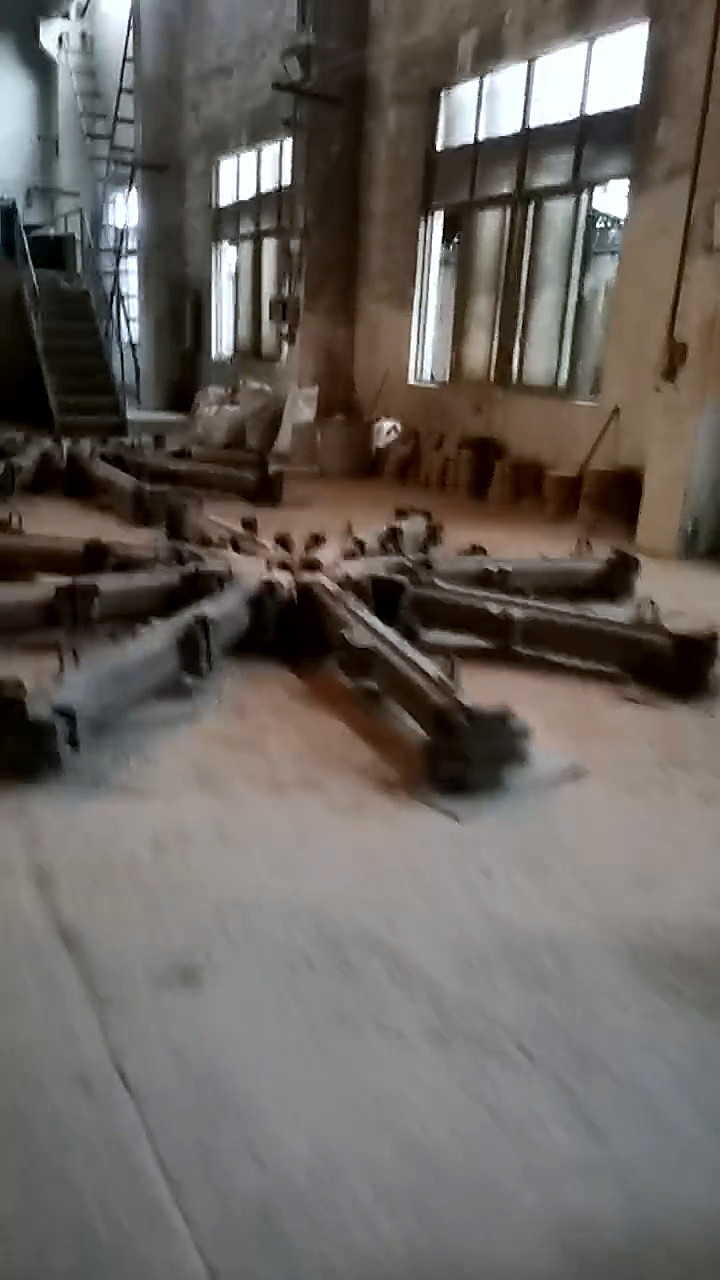
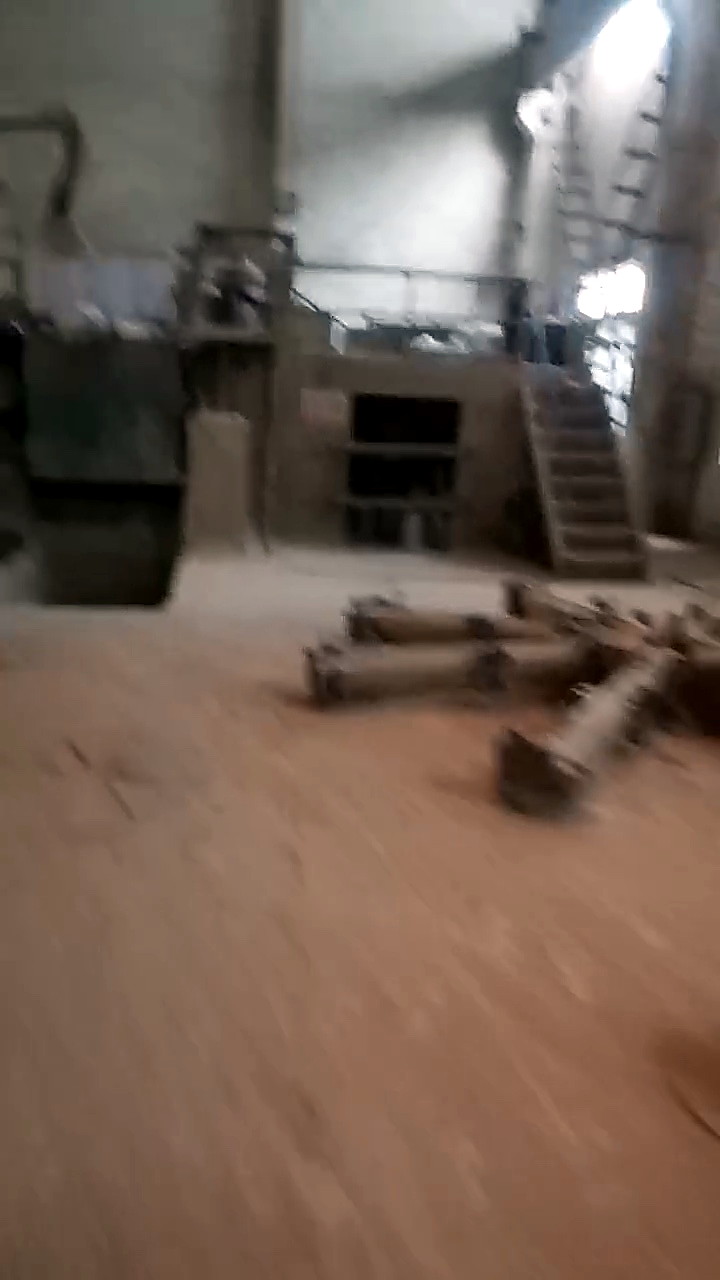
Photographs taken at the production facility. Inspection documents are supplied with each batch; materials are traceable by heat number.
